




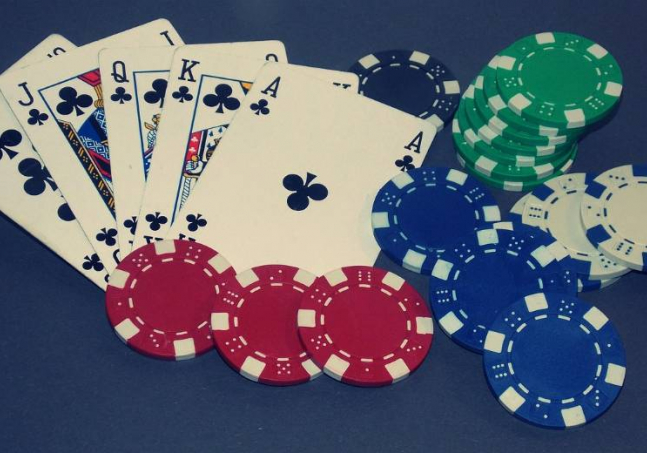
Texas Hold’em is without a doubt the number one poker variation in the world in terms of popularity and status. It’s the poker game you’ll find running at just about every casino and the one that holds the title when it comes to the biggest events and prize pools on the planet.
Omaha has long sat in second place. You won’t find many games of Omaha running on a nightly basis at venues outside of major gambling hubs like Vegas.
Thankfully, online poker platforms make Omaha much more accessible. Ozoon poker has Omaha cash games running around the clock and plenty of tournaments, too, alongside the usual Texas Hold’em offerings.
This gives players a lot more choice when it comes to which games they play. So, should you make the switch?
The Main Differences: Hole Cards and Hand Construction
The main difference between Texas Hold’em and Omaha is immediately obvious as soon as a hand is dealt. In Texas Hold’em, you’ll receive two private starting cards, known as hole cards. In Omaha, each player gets four starting cards.
Getting four cards instead of two makes it more likely you’ll make some sort of strong combination, but that also goes for your opponents.
After the initial deal, the rules are similar. Five community cards are dealt throughout the hand, with four betting rounds in between. If two or more players are still in the pot after the final round, the strongest five card poker hand wins.
Exactly Two Rule in Omaha
When playing Omaha poker, it’s important to understand the rules on how to construct your hand. Although you are given four hole cards, you can only use two of them. You must use exactly two hole cards and three of the community cards to make your final hand.
No Limit Versus Pot Limit
Although the main difference is the number of starting cards, Texas Hold’em and Omaha often have different betting structures that alter the gameplay. Texas Hold’em usually has no betting limits, meaning you can bet up to your entire stack during any round. Omaha is pot limit, so bets are restricted to the size of the pot and the action is more likely to play out over the course of several streets of betting.
Why Players Switch to PLO: Action and Strategy
Pot Limit Omaha (PLO) is known for being an action packed game. The addition of the extra hole cards makes starting hands like high pairs and big draws more likely. On the flop, when the first three cards are dealt, you can usually expect at least a couple of players to hit something that’s worth betting.
While recreational players are attracted to the action, serious players see PLO as a challenge. With so many possible combinations of hands, the math and hand reading is even more complex than Texas Hold’em. For anyone interested in strategy, Omaha is definitely worth a try.
Embracing Split-Pot Variants: The Appeal of Omaha Hi/Lo
An even more complicated variation of poker is Omaha Hi-Lo. This is a split pot game that follows the same rules as Omaha, except for this time the pot is divided equally between the strongest hand and the lowest hand. You’ll need to win both hands to scoop the lot at showdown.
Variance and Bankroll Management Across Variants
It’s worth noting that Omaha is a very high variance game. There’s a technical reason for this. It’s because hand equities run very close together, making it difficult to gain a massive edge over opponents. You’ll be at the mercy of huge swings in results.
Bankroll management is important for both games, but you’ll need to have more buy-ins for Omaha at the stakes you want to play to cover the extra volatility.
At the same time, Omaha can be a softer game, so if you find the right tables and develop your strategy to an advanced level, this difference in volatility can be at least somewhat overcome.
Which Game Fits Your Playstyle?
Given the rules and number of hole cards, Texas Hold’em and Omaha lend themselves to different playstyles.
In Texas Hold’em, you’ll hit big hands less often, so a lot of patience is required. At the same time, when two or more players do clash, pots can get very big very fast. As it’s possible to move all in at any time, it’s not unusual to see this happen preflop, right at the start of the hand. Bluffing is also more common, because it’s easier to get opponents off medium strength hands.
Omaha also requires patience, but in a different way. The dynamics of a hand will often change throughout the betting rounds. A lot of pots will involve monster hands coming up against huge draws and, often, the draws are ahead.
The best advice is to try out both games by playing freerolls or low stakes events. If you can’t find Omaha games live, you’ll always find tables running at online platforms. You also don’t have to stick to one or the other. If you enjoy both, you can mix up your poker sessions by switching between.



.jpg)







How does it work?
Locate and discover worldwide casinos
Find their promotions, events and enjoy exclusive deals
Good luck!