




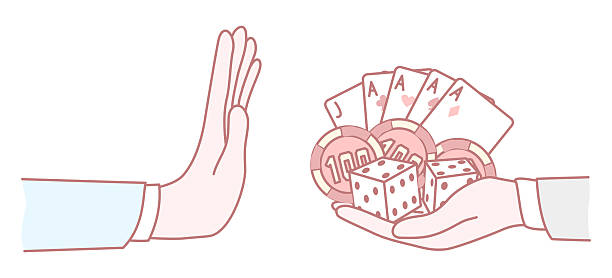
Casino guides are most useful when they help players understand the full experience, not only the games, bonuses and payment options. A strong guide should also explain how to play with limits, recognise risk and use available support tools. That is why responsible gambling belongs in every casino guide. It gives players practical context before they start playing.
Casino information should be balanced
Many casino guides focus on popular games, welcome offers, software providers and banking methods. Those details matter, but they only tell part of the story. Players also need to understand how to manage time, spending and expectations.
Good casino education should make it clear that gambling is a form of entertainment, not a reliable way to make money. When guides explain this early, they help players approach casino play more realistically.
Balanced casino guides usually cover:
- Game rules and formats
- Bonus terms and wagering requirements
- Deposit and withdrawal methods
- Account verification steps
- Mobile usability
- Customer support
- Player protection tools
Responsible play is not separate from these topics. It connects to all of them. Bonuses affect spending decisions. Payments affect budget control. Game speed affects session length. A guide that ignores those links is incomplete.
Responsible tools help players stay in control
Modern casino platforms often include tools designed to help players manage their activity. These tools are useful because online play can feel fast and convenient. A player may move between games quickly, deposit from a mobile device and lose track of time if they are not paying attention.
This is where responsible gambling information becomes essential. A good guide should explain how tools such as deposit limits, cooling-off periods, time-outs and self-exclusion options work. It should also explain why players may want to use them before problems appear.
Responsible gambling tools can include:
- Deposit limits
Players can set a maximum amount they are comfortable depositing over a chosen period. - Session reminders
Time-based alerts can help players notice how long they have been active. - Cooling-off periods
Short breaks can help players step away when they need time to reset. - Self-exclusion options
Longer restrictions can support players who need stronger barriers. - Activity history
Transaction and gameplay records can help players track behaviour more clearly.
These features work best when players understand them before they are needed.
Guides should explain risk in plain language
Responsible casino content should not feel technical or hidden behind formal wording. It should use plain language that helps players understand risk without judgement. This is especially important for beginners who may not know how quickly small decisions can add up.
A useful guide might explain that casino games are based on chance, that outcomes cannot be predicted and that previous results do not guarantee future ones. It should also explain that chasing losses is risky because it encourages emotional decision-making.
Clear risk education helps players recognise common warning signs, such as:
- Spending more than planned
- Playing longer than intended
- Increasing stakes after losses
- Feeling anxious when not gambling
- Borrowing money to play
- Hiding gambling activity from others
- Treating gambling as income
These points should be presented calmly and practically. The goal is to help readers reflect, not to scare them.
Bonus guides need responsible context
Bonuses are a major part of casino comparison, but they are also one of the areas where responsible guidance is most important. Welcome offers, free spins and cashback promotions can look appealing, but players need to understand the terms before opting in.
A responsible casino guide should explain wagering requirements, expiry dates, eligible games and maximum bet rules. It should also remind players not to claim a bonus simply because it is available. An offer only has value if the player understands it and it suits their budget.
A practical bonus checklist should ask:
- What deposit is required?
- What wagering requirement applies?
- Which games count towards wagering?
- When does the offer expire?
- Are there maximum bet limits?
- Does the promotion fit the player’s usual habits?
This type of guidance helps players make calmer, more informed choices.
Responsible gambling improves trust
A casino guide that includes responsible gambling information feels more credible because it does not present casino play as one-sided excitement. It acknowledges both enjoyment and risk. That balance is important in an industry where trust depends on clarity.
Players are more likely to value guidance that respects their decision-making. They do not only need lists of games or promotions. They need information that helps them understand the environment they are entering.
For casino directories and comparison sites, responsible content also strengthens editorial quality. It shows that the guide is designed to inform, not simply to promote.
Better guidance creates better player habits
Responsible gambling belongs in every casino guide because it helps players think before they act. It encourages budgeting, time management, bonus awareness and emotional control. These habits make casino play more structured and less impulsive.
A useful guide should help readers understand games, compare platforms and recognise when to pause. It should make responsible tools easy to understand and normal to use. When that information is part of the main guide rather than a footnote, players receive a clearer and more balanced view of online casino entertainment.
The strongest casino guides do not just explain where to play. They help players understand how to play more carefully.




.jpg)





How does it work?
Locate and discover worldwide casinos
Find their promotions, events and enjoy exclusive deals
Good luck!