




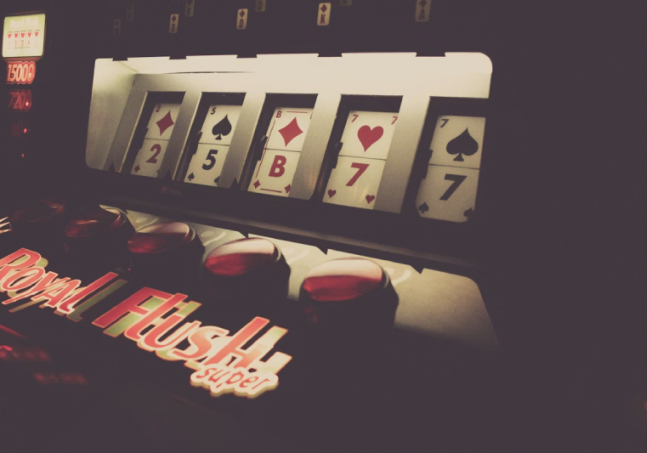
Social casinos and real-money online casinos can look similar at first glance. Both use reels, tables, and bright menus. Both also borrow the language of casino entertainment. The difference sits in what the player is actually risking and what the player can actually win. Social casinos use virtual currency and free-play systems. Real-money casinos use cash deposits and cash withdrawals. That split changes the legal setting, the emotional tone, and the way each platform tries to keep you coming back. Research has described social casino games as free-play online games with gambling themes that don't pay out monetary winnings, which remains the clearest starting point for separating the two categories.
That difference affects the whole experience. A real-money casino has to deal with deposits, withdrawals, verification, and the rules that come with regulated gambling. The UK Gambling Commission says online gambling businesses must verify age and identity before a customer gambles, and it also says operators should not leave those checks until withdrawal if they could have asked earlier. A social casino skips that whole layer because the chips have no direct cash value. That makes entry feel lighter, though it also changes how players judge risk, reward, and time spent.
To make the experience more enticing, most platforms will offer a social casino bonus to draw users in. Sites like Ace.com lead the market by making free-play rewards part of the product rather than a side note. There, players can collect Gold Coins through daily log-ins, social media activity, referrals, competitions, and welcome rewards, while its games pages present hundreds of social casino titles built around free-play access. In other words, the bonus is there to keep the session moving and to make the site feel busy and easy to revisit.

The Money Changes the Mood
A real-money casino always carries financial stakes. That sounds obvious, though it alters behaviour in practical ways. Once cash enters the picture, the player starts thinking about deposit speed, withdrawal rules, and whether a win can actually be turned into money without fuss. Regulators think about those issues too. The Gambling Commission has stressed that consumers now expect faster withdrawal experiences, which tells you how central payment flow has become in the real-money market. A social casino avoids that pressure because a session does not end in a cash-out request.
That lighter structure changes the mood of play. A social casino can feel more like a casual game app and less like a financial decision. The typical gold coins have no monetary value and can be used to access social casino games for entertainment. That shifts the point of the session. You are there to spin, tap, or test a table game without treating every click like a purchase decision. The pressure drops, as well as the possibility of a cash reward.
This is why the same game can feel different across the two formats. A round of blackjack at a real-money site asks you to balance entertainment with financial caution. A round at a social casino still asks for decisions, though the consequences stay lighter because the chips are virtual. The rules may look familiar, but the player’s mindset changes. One version asks whether the hand is worth money. The other asks whether the hand is worth a few more minutes. That is a meaningful gap, even when the cards on screen look much the same.
The same goes for poker, especially when players use it for different reasons. Some use social casino poker for low-pressure play and routine entertainment. Others use real-money poker because the financial edge and competitive structure are part of the attraction. Research on motives for social casino play has found that migration can run in more than one direction. Some social casino players later gamble for money, while some real-money gamblers also move into free-play versions of their favourite games. That tells you the two spaces overlap in audience, while serving different needs.
Rewards Work Differently
Bonuses also do different jobs in each setting. At a real-money casino, a welcome offer is tied to a deposit and usually comes with terms that affect how quickly you can turn it into withdrawable cash. At a social casino, the reward usually exists to extend free play and encourage return visits. Daily bonuses, login rewards, and promotional giveaways help players collect gold coins just for showing up. That reflects a different commercial model. Social casinos track session length and user retention primarily.
That distinction also helps explain why social casinos often feel more community-led in their marketing. Ace.com describes chats, community competitions, and player events as part of the experience. A real-money casino may offer tournaments or loyalty schemes, though it still revolves around real balances and real withdrawals. The social casino can afford to sound more like a club because the financial stakes sit in the background. That means the product sells fun first and financial outcome second, or not at all.
Academic work backs up that split. The 2014 study by Sally Gainsbury and colleagues compared social casino use among Australian adult gamblers and described social casino games as distinct from internet gambling, even while noting overlap between the consumer markets. A later 2021 paper on motives for social casino play said about 30 percent of one sample had migrated to gambling, while other work has found movement in both directions. So the two categories are neighbouring markets with shared imagery and different stakes.




.jpg)






How does it work?
Locate and discover worldwide casinos
Find their promotions, events and enjoy exclusive deals
Good luck!