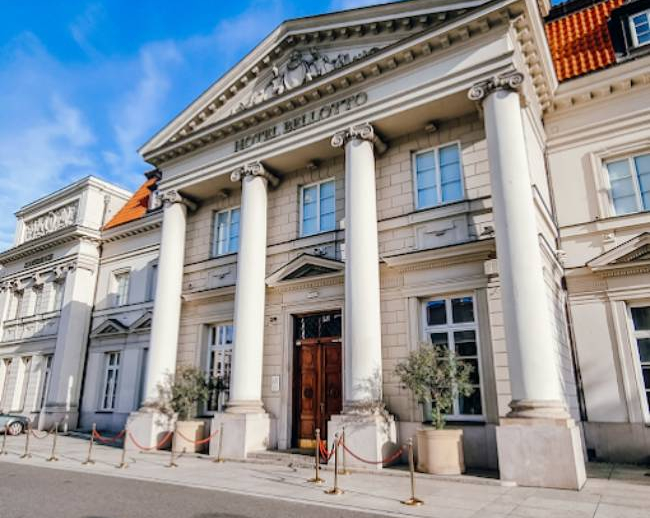
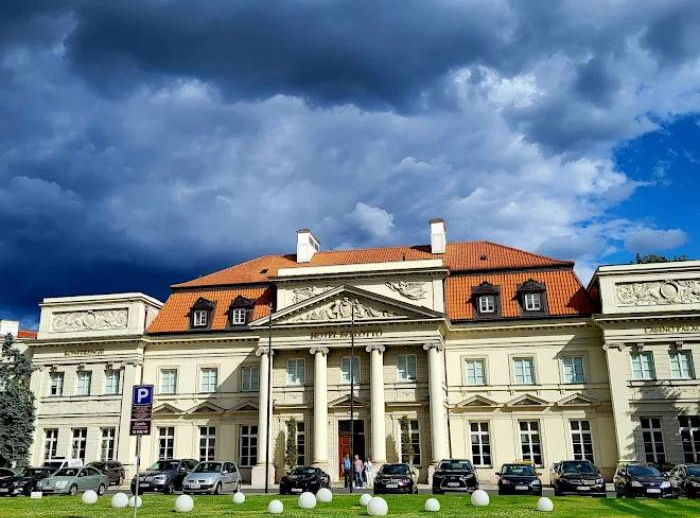
Presentation of the Royal Casino & Bellotto Hotel, Warsaw
Warsaw is the capital of Poland and serves as the country's primary hub for administration, governance, and economic activity. With an estimated population of around 1.8 million residents, it is the largest city in Poland and an essential center for national coordination.
Situated along the Vistula River in east-central Poland, the city benefits from its central location and excellent connectivity. A network of highways, railways, and an international airport facilitates efficient travel both within Poland and to major European destinations.
The economy of Warsaw is diverse, with strong representation in finance, corporate services, technology, trade, and manufacturing. The city is home to major institutions, business headquarters, and commercial operations that significantly contribute to employment and the national economy.
Daily life in Warsaw is supported by well-developed infrastructure, which includes universities, medical centers, and public services. Residents also enjoy access to parks, sports facilities, and recreational areas, contributing to an active and balanced urban environment.
Nearby casinos: Casino Palace, Warszawa
(0yd.), Royal Casino & Mercure Grand Hotel, Warsaw
(674yd.), Orbis Casino & Sofitel, Warsaw
(690yd.), Cristal Casino, Warsaw
(1388yd.), HIT CASINO & Gromada Centrum Hotel, Warsaw
(1429yd.)
The City
Warsaw is the capital of Poland and serves as the country’s main hub for administration, governance, and economic activity. With an estimated population of around 1.8 million residents, it is the largest city in Poland and plays a crucial role in national coordination.
Located along the Vistula River in east-central Poland, the city benefits from its central position and excellent connectivity. A network of highways, rail lines, and an international airport facilitates efficient travel both within Poland and to major destinations across Europe.
Warsaw has a diverse economy, with significant contributions from sectors such as finance, corporate services, technology, trade, and manufacturing. The city is home to major institutions, corporate headquarters, and various commercial operations that greatly contribute to employment and the nation’s economic output.
Daily life in Warsaw is supported by well-developed infrastructure, including universities, medical centers, and public services. Residents also have access to parks, sports facilities, and recreational areas, which enhance the city’s vibrant and balanced urban environment.
Presentation of the Royal Casino & Bellotto Hotel, Warsaw
Warsaw is the capital of Poland and serves as the country's primary hub for administration, governan…
Warsaw is the capital of Poland and serves as the country's primary hub for administration, governance, and economic activity. With an estimated population of around 1.8 million residents, it is the largest city in Poland and an essential center for national coordination.
Situated along the Vistula River in east-central Poland, the city benefits from its central location and excellent connectivity. A network of highways, railways, and an international airport facilitates efficient travel both within Poland and to major European destinations.
The economy of Warsaw is diverse, with strong representation in finance, corporate services, technology, trade, and manufacturing. The city is home to major institutions, business headquarters, and commercial operations that significantly contribute to employment and the national economy.
Daily life in Warsaw is supported by well-developed infrastructure, which includes universities, medical centers, and public services. Residents also enjoy access to parks, sports facilities, and recreational areas, contributing to an active and balanced urban environment.
Nearby casinos: Casino Palace, Warszawa
(0yd.), Royal Casino & Mercure Grand Hotel, Warsaw
(674yd.), Orbis Casino & Sofitel, Warsaw
(690yd.), Cristal Casino, Warsaw
(1388yd.), HIT CASINO & Gromada Centrum Hotel, Warsaw
(1429yd.)
Read more
The City
Warsaw is the capital of Poland and serves as the country’s main hub for administration, governance,…
Warsaw is the capital of Poland and serves as the country’s main hub for administration, governance, and economic activity. With an estimated population of around 1.8 million residents, it is the largest city in Poland and plays a crucial role in national coordination.
Located along the Vistula River in east-central Poland, the city benefits from its central position and excellent connectivity. A network of highways, rail lines, and an international airport facilitates efficient travel both within Poland and to major destinations across Europe.
Warsaw has a diverse economy, with significant contributions from sectors such as finance, corporate services, technology, trade, and manufacturing. The city is home to major institutions, corporate headquarters, and various commercial operations that greatly contribute to employment and the nation’s economic output.
Daily life in Warsaw is supported by well-developed infrastructure, including universities, medical centers, and public services. Residents also have access to parks, sports facilities, and recreational areas, which enhance the city’s vibrant and balanced urban environment.
Read more






Is it your establishment?
Boost your visibility with a qualified audience
See more